
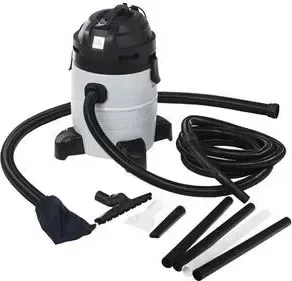
Heissner F636-PXC Pond Sludge Vacuum Manuale
Manuale PDF · 72 Pagine
Italiano



Controllo rapido
Risposta errata, riprova.
Chatta con il manuale del tuo Heissner F636-PXC Pond Sludge Vacuum utilizzando l'IA
Ottieni risposte istantanee dall'IA dal manuale del tuo Heissner F636-PXC Pond Sludge Vacuum
Chiedi qualsiasi cosa sul Heissner F636-PXC Pond Sludge Vacuum. Le risposte provengono da questo manuale, con le pagine di riferimento.
F636-PXC Programma di manutenzione
Verificare che la spugna del filtro sia montata correttamente sulla gabbia del galleggiante prima di ogni utilizzo. Sostituirla immediatamente se difettosa e lasciarla asciugare prima del riutilizzo.
Esaminare periodicamente o prima dell'uso il cavo di rete e la spina per eventuali segni di danneggiamento. Non utilizzare il dispositivo se danneggiato; smaltire l'unita poiche i cavi non possono essere sostituiti.
Svuotare manualmente il serbatoio versando il contenuto o utilizzando il tubo di scarico. Assicurarsi che il serbatoio sia completamente vuoto prima di riporre o riavviare il dispositivo.
Fai una Domanda
Consigli F636-PXC?
Sì NoConsigli F636-PXC?
Sì NoDomande frequenti
No, the device is not suitable for permanent operation such as emptying ponds or cisterns. It is designed for removing sediments like sludge, algae, and leaves, not for complete water drainage.
Questa risposta è utile?
Absolutely not. You must never operate the device if there are any persons in the water. Additionally, ensure no one is within reach of the suction nozzle to avoid injury.
Questa risposta è utile?
A damaged connection cable cannot be replaced. If the cable is broken, you must dispose of the unit immediately. Do not attempt to repair or continue using a damaged cord due to electrocution risks.
Questa risposta è utile?
In automatic mode, the device waits about 10 seconds before starting, then sucks for roughly 30 seconds, empties for 20 seconds, and repeats. These times are fixed and cannot be changed by the user.
Questa risposta è utile?
Yes, you must always mount the filter sponge over the floating cage before each use to prevent water or dust from entering the motor head. Check it regularly and replace if defective.
Questa risposta è utile?
Vantaggi e Svantaggi
Vantaggi

- Versatile dual-functionality allows use as both a wet vacuum and a pond sludge remover.
- Automatic mode simplifies operation with pre-set suction and emptying cycles.
- Float switch prevents overflow by stopping suction when the tank is full.
- Dedicated pond nozzle and extension tubes facilitate deep cleaning of water bottoms.
Svantaggi

- Cannot be used for continuous operation like fully draining large cisterns.
- Automatic timing cycles are fixed and cannot be adjusted by the user.
- Damaged power cables cannot be replaced and require unit disposal.
- Requires strict supervision and adherence to safety distances during use.
Prodotto Specifiche
Potenza
1400 W
Portata
3002 L/h
Altezza massima di sollevamento
1,80 m
Peso
9,00 kg
Contenuto della confezione
4 tubi, 2 ugelli, tubo di aspirazione da 4,00 m, tubo di scarico da 1,50 m
Descrizione del prodotto Descrizione
The Heissner F636-PXC Pond Sludge Vacuum Manual: Your Guide to Crystal Clear Water
Maintaining a pristine garden pond or swimming pool requires the right tools, and the Heissner F636-PXC Pond Sludge Vacuum stands out as a reliable solution for homeowners. This versatile device is designed specifically for non-professional use, making it perfect for private households looking to remove sediment, algae, moss, leaves, and mud from the bottom of their water features. Unlike generic wet and dry vacuums, this unit offers specialized configurations to handle the unique challenges of underwater cleaning without risking damage to your equipment or personal safety.
The manual for the Heissner F636-PXC Pond Sludge Vacuum provides comprehensive instructions on how to assemble and operate the machine safely. It highlights two distinct operating modes: manual and automatic. In manual mode, the user has direct control, allowing them to vacuum until the tank is full. A float switch automatically stops the suction when the container reaches capacity, signaled by a change in motor sound. For those who prefer a set-it-and-forget-it approach, the automatic mode cycles through suction and emptying phases with pre-programmed timings, though users must remain nearby to monitor the process.
Safety is paramount when working near water. The guidelines emphasize maintaining a safe distance of at least two meters from the edge of the pond or pool while operating the device. It is strictly forbidden to use the vacuum when people are in the water or during rainy weather. The unit is not intended for draining entire ponds or cisterns but rather for targeted sludge removal. Proper assembly of the filter sponge is crucial to prevent water or dust from entering the motor head, ensuring longevity and performance.
Whether you are clearing debris after autumn leaf fall or performing routine maintenance, understanding the operation of the Heissner F636-PXC Pond Sludge Vacuum ensures efficient results. By following the detailed steps for mounting extension tubes, selecting the correct nozzle, and managing the waste tank, you can keep your aquatic environment healthy and visually appealing year-round.
Cerca tra 67.732 manuali online


Digita il marchio o il modello